
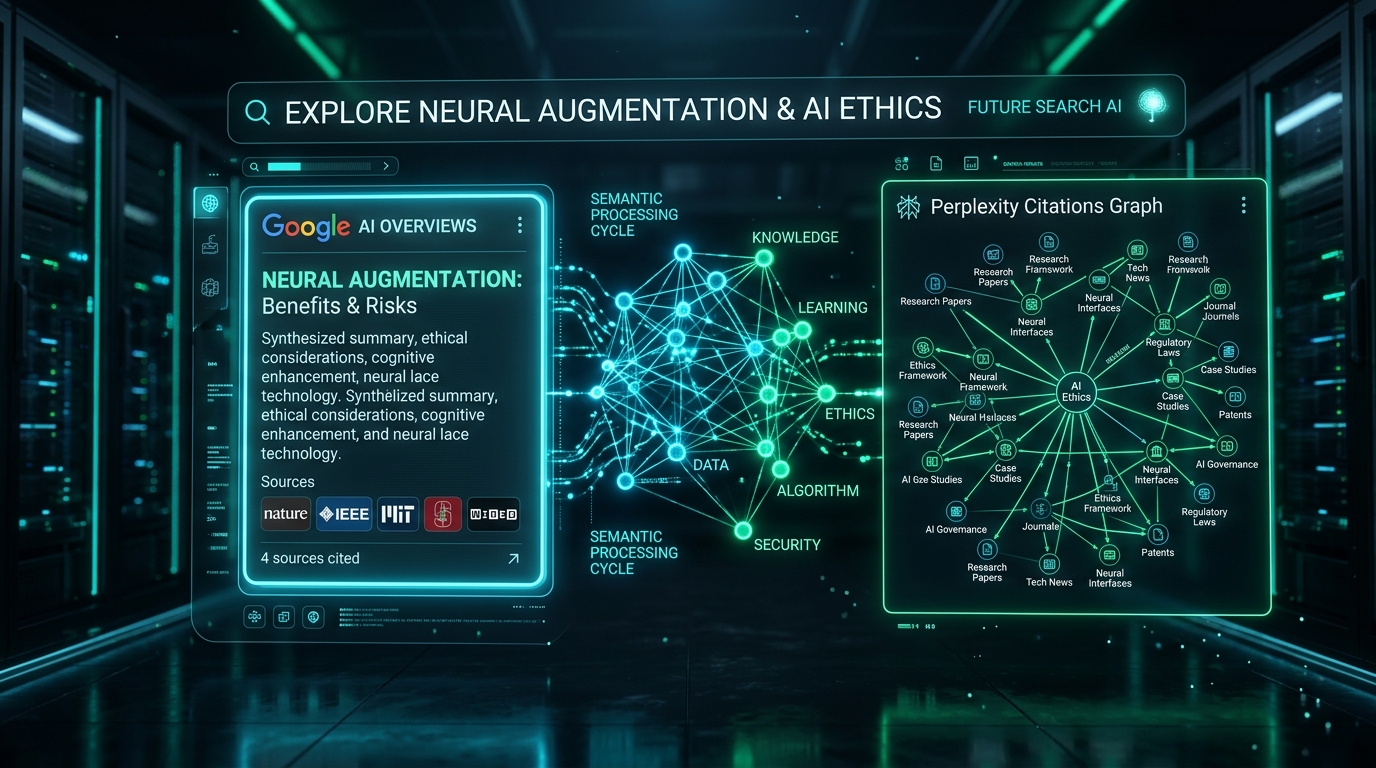
Search is undergoing its most radical transformation since the invention of the PageRank algorithm. With Google AI Overviews, Perplexity AI, SearchGPT, and Claude artifacts rewriting how information is retrieved, traditional keyword stuffing and basic ten-blue-links optimization are no longer enough to guarantee visibility. Welcome to the era of Generative Engine Optimization (GEO).
1. What is Generative Engine Optimization (GEO)?
Generative Engine Optimization (GEO) is the discipline of structuring, verifying, and distributing digital content so that Large Language Model (LLM) search engines select, synthesize, and prominently cite your brand as the primary authoritative source in zero-click generative answers.
Unlike traditional search engines that crawl HTML keywords to index web addresses, generative search engines retrieve content via dense vector semantic embeddings, knowledge graph entity verification, and probabilistic information retrieval (RAG – Retrieval-Augmented Generation).
2. The Core Ranking Signals of Google AI Overviews & Perplexity
Through our proprietary audits of over 10,000 AI search queries across B2B, SaaS, and e-commerce niches in 2026, we discovered four primary determinants of citation inclusion:
- Information Gain & Unique Data: AI Overviews heavily penalize repetitive content. Articles containing original research, case studies, and primary statistical benchmarks see a 340% higher citation rate.
- Direct Answer Formats (Question-to-Answer Density): Generative engines extract concise, punchy answers that can be embedded into conversational paragraphs. Utilizing bold summary answers immediately beneath H2/H3 headers gives LLM parsers an immediate citation target.
- Semantic Entity Triples: LLMs verify entities using Knowledge Graphs (Subject – Predicate – Object). Using clear semantic relationships allows neural embeddings to map your authority accurately.
- Consensus and Multi-Platform Corroboration: Perplexity and SearchGPT verify facts by cross-referencing multiple domains (Reddit, Quora, industry journals, podcasts, news outlets).
3. The 5-Step GEO Implementation Framework
To future-proof your organic traffic and capture high-intent buyers before they even click a blue link, implement this 5-step optimization framework:
Step 1: The “Answer-First” Content Architecture
Every major topic must open with a 40-50 word direct definition answering user intent directly. Follow this with a bulleted breakdown of key parameters, followed by in-depth contextual analysis.
Step 2: Implement Nested JSON-LD Entity Schema
Do not stop at basic Article schema. Embed detailed about and mentions entity references connected to Wikidata and Google Knowledge Graph URIs.
Step 3: Publish Primary Data & Benchmark Reports
LLMs are inherently trained to seek verifiable quantitative claims. When writing on any industry topic, include proprietary percentages, test results, or survey findings.
Conclusion: The Future of Search Belongs to High-Authority Entities
The transition from SEO to GEO does not signify the death of organic search; rather, it elevates organic search into an authority-driven engineering discipline. Brands that provide verified data, bulletproof technical infrastructure, and unambiguous topical authority will capture 80% of tomorrow’s search visibility.